This is how Sensaru is supports Wiesbaden Housing Association (GWW) on its journey towards a sustainable building stock
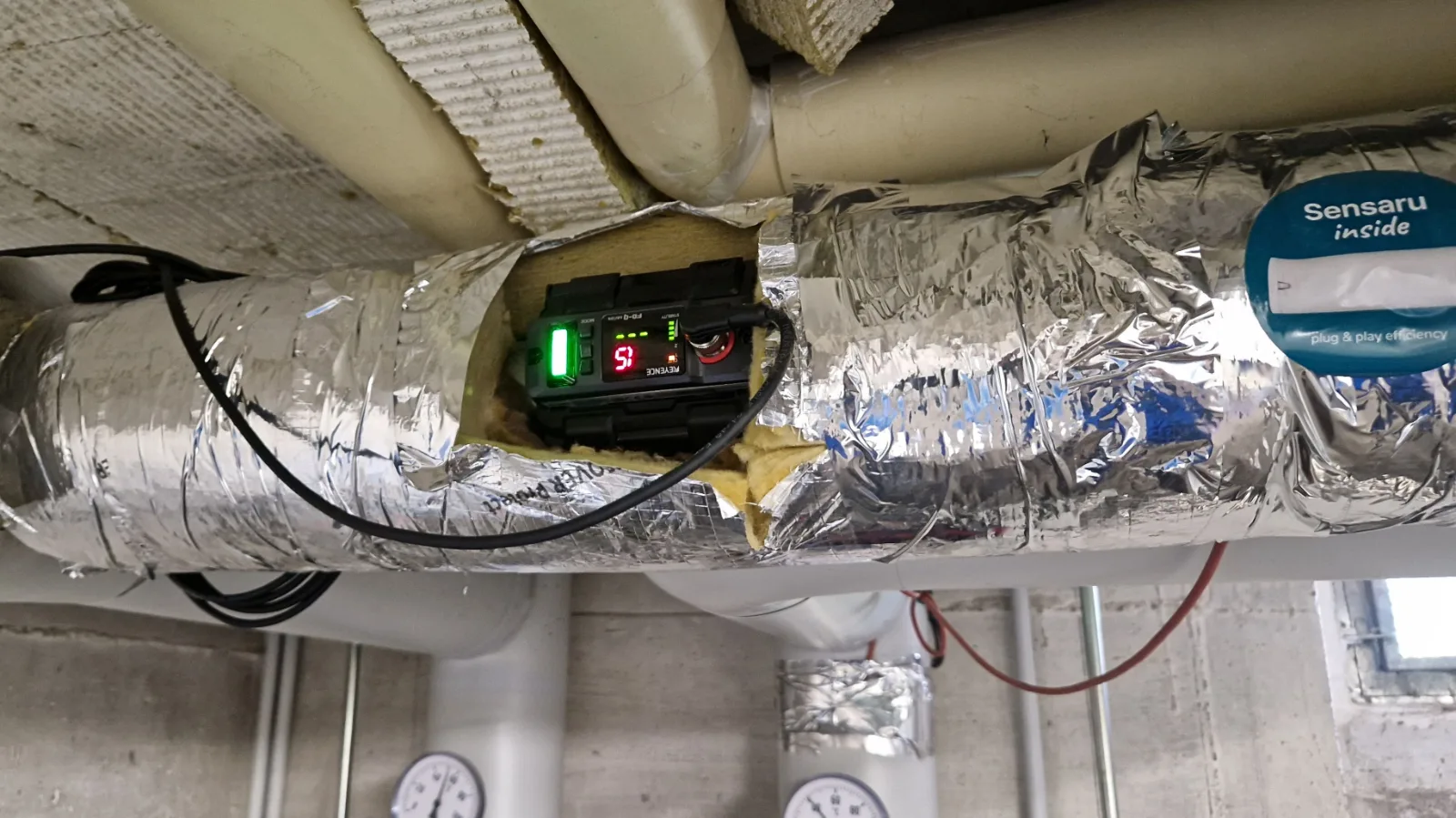
With Sensaru, GWW is collecting reliable operational data for the first time, enabling it to operate heating systems more efficiently and plan future modernization measures in a targeted manner. As Wiesbaden’s largest municipal housing company, GWW manages around 14,000 residential units and therefore faces the challenge of operating a heterogeneous building portfolio economically while at the same time meeting the requirements of the energy transition. Together with Sensaru, GWW has been using data-driven heating optimization since the end of 2025. During the first heating season of their collaboration, GWW already gained valuable insights into the operation of its heating systems, laying the groundwork for further efficiency measures.
Diverse building portfolio, new requirements
GWW manages a diverse building portfolio – ranging from listed properties and residential buildings from the 1950s and 1960s to modern multi-family homes. The company employs more than 200 people and works closely with a regional network of partners. Against the backdrop of the energy transition, optimizing building operations is becoming increasingly important. Around 600 central heating systems and approximately 3,000 individual gas heating systems present the company with the challenge of meeting regulatory requirements for energy efficiency and climate protection in an economically viable way.
Operating a heterogeneous system portfolio efficiently and with the future in mind
The constantly changing requirements facing the building sector call for forward-looking action. For GWW, this meant developing strategies early on to operate existing heating systems more efficiently while at the same time preparing its building portfolio for future heat supply solutions.
To achieve this, GWW had already tested various monitoring solutions from heating system manufacturers before working with Sensaru. However, these solutions can only be used with the respective manufacturers’ systems. Due to GWW’s heterogeneous building portfolio, there was therefore no solution that could be deployed across the entire portfolio regardless of manufacturer.
“We need something simple – and above all, a company that continues to evolve. Our goal was to eventually bring all relevant building data together in a single dashboard while remaining independent of the heating system manufacturer.”
– Thorsten Loos, Head of Technical Property Management, Wiesbadener Wohnbaugesellschaft GWW
One solution for the entire system portfolio
For GWW, the focus was therefore not only on the technical solution itself, but above all on a concept that could be flexibly integrated into the existing building portfolio. Key requirements included manufacturer-independent functionality, straightforward installation without interfering with existing heating controls, a transparent cost model, and the ability to add further functions to the system in the future. Flexibility in contract design and close collaboration during implementation were equally important.
“Sensaru’s overall package was the best fit for our requirements. We were particularly impressed by the fact that the solution works independently of the manufacturer, can be integrated easily and at the same time offers potential for further development in the future.”
– Thorsten Loos, Head of Maintenance, Wiesbadener Wohnbaugesellschaft GWW
Simple implementation and integration into existing maintenance processes
Following a comprehensive market analysis, GWW decided to work with Sensaru in 2025. The system is currently being used across 13 heating systems covering around 250 residential units. The pilot properties include different building structures and heating system manufacturers, thereby providing a representative cross-section of the property portfolio. Implementation was carried out together with GWW’s long-standing maintenance partner: following the supported installation of the first systems by Sensaru, the service provider took over the subsequent installations independently. This approach ensures that the technicians are familiar with the technology being used from the outset and can respond quickly and effectively in the event of servicing requirements or faults. Initially, the monitoring system was set up before AI-based optimization was additionally activated in March 2026. This gives GWW continuous operational data from its heating systems for the first time.
Initial results create transparency and reveal optimization potential
GWW is already observing initial energy savings and considers the results to date promising. For the first time, Sensaru is providing a reliable data basis that was previously unavailable. This forms the foundation for continuously analyzing operating conditions and identifying optimization potential – an important basis for future investment decisions. In the long term, one of GWW’s key objectives is to reduce supply temperatures to a level that will allow heat pumps to be sized according to actual demand and existing buildings to be converted without the need for extensive additional structural modifications.
Outlook: Data as the basis for the heat transition
The pilot phase is currently ongoing. A decision on a portfolio-wide rollout will be made after evaluating the next complete heating season. Looking ahead, the company sees significant potential in making even greater use of operational data when planning energy-related renovations. Together with GWW’s energy transition team, the insights gained are intended to help plan modernization measures more precisely, assess investments more economically and gradually prepare the building portfolio for climate-neutral heat supply.

